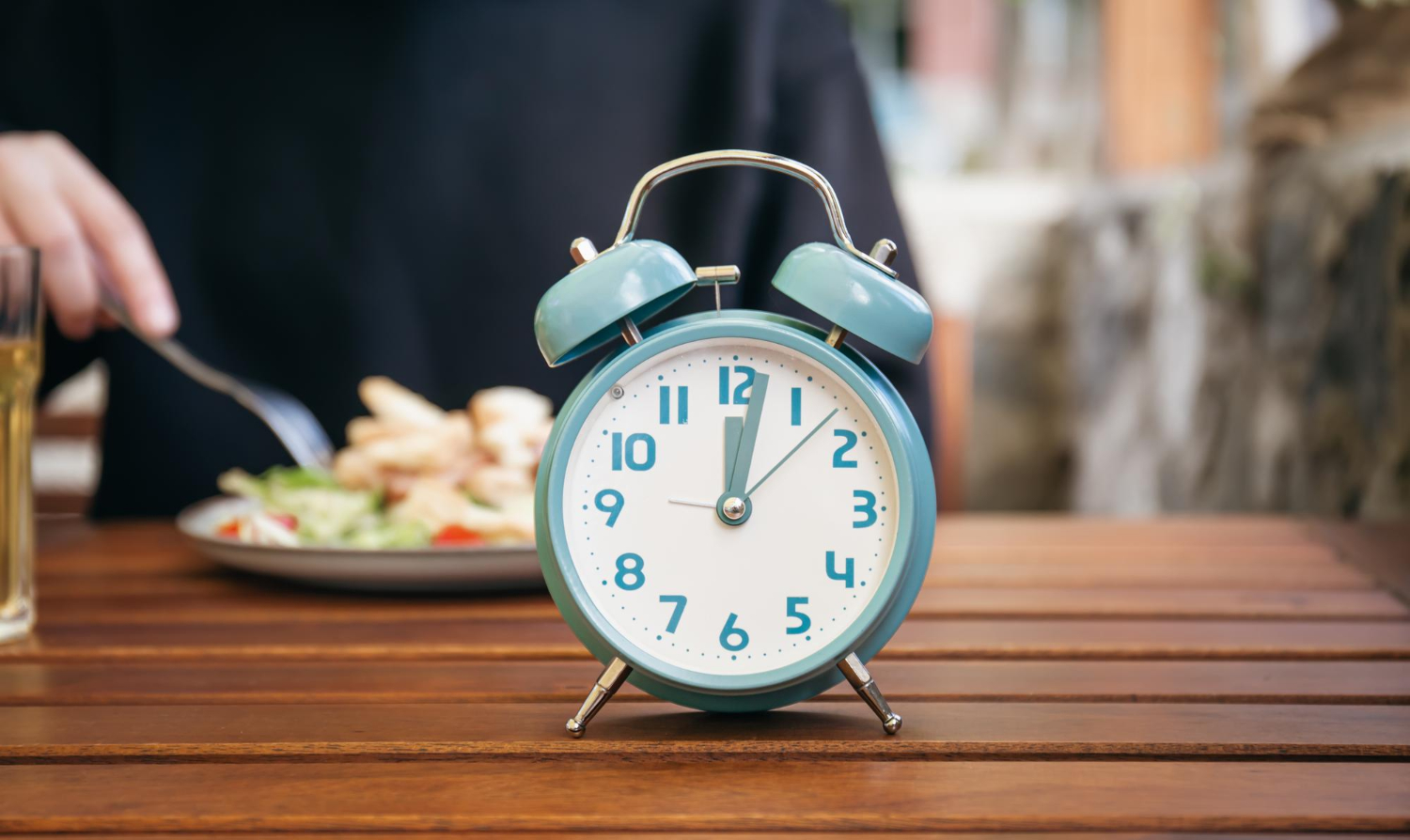
Is it possible that the “biggest difference” isn’t what we eat, but when we eat—especially in relation to sleep?
That’s exactly what a new randomized controlled trial from Northwestern Medicine, published in the American Heart Association journal Arteriosclerosis, Thrombosis, and Vascular Biology, set out to test. The study included 39 overweight/obese adults aged 36–75, and the intervention lasted 7.5 weeks. The concept was simple: extend overnight fasting by about 3 hours and align it with the person’s habitual sleep time—meaning the last meal at least 3 hours before bedtime.
How Was the Study Conducted?
Participants were randomized into two groups:
- Intervention (“sleep-aligned extended overnight fasting”): 13–16 hours of overnight fasting, with the rule “last meal ≥3 hours before sleep.”
- Control group: maintained their usual routine, with fasting typically ~11–13 hours.
An important detail: both groups also followed “light hygiene” (dimming lights for ~3 hours before bedtime), helping separate the effects of sleep/circadian rhythm from the effects of timing food intake.
Key Findings (What Improved?)
Compared with the control group, participants in the extended overnight fasting group showed:
- Better nighttime “dipping” in diastolic blood pressure (the normal, healthy drop in BP during sleep—generally a favorable cardiovascular sign),
- Lower nighttime heart rate and more favorable autonomic balance (HRV), suggesting improved nighttime “reset” and recovery,
- A better response to a morning oral glucose tolerance test (a smaller glucose rise and a more effective early insulin response), consistent with more stable morning glucose regulation.
A notable nuance: the primary insulin sensitivity measure (Matsuda Index) did not change significantly. That’s an important message—nothing here is “magic,” and not every marker must improve over a short timeframe. Still, nighttime hemodynamics and morning glucose handling did respond in a meaningful way.
Why Does This Make Sense?
Sleep isn’t just a “pause”—it’s a phase when the autonomic nervous system and metabolism shift into recovery mode. If we eat late:
- digestion remains “switched on” during a period when the body naturally wants to lower heart rate and blood pressure,
- nighttime cortisol and glucose rhythms are more easily disrupted,
- and the morning can start with a “blunted” metabolic profile (less stable glucose and energy).
In that sense, “three hours without food before sleep” is a practical way to align eating with sleep biology—not with a rigid clock time, but with your rhythm.
Who Might Benefit Most From This Approach?
This model seems especially reasonable for people who have:
- elevated blood pressure,
- insulin resistance / prediabetes,
- central (abdominal) obesity,
- late dinners and late-night snacking,
- poor sleep or a “restless” nighttime heart rate pattern.
Of course, this is not a replacement for medical therapy—it’s a smart lifestyle lever that can complement care.
How to Apply This in Real Life (Without Drama)
Goal: last meal ≥3 hours before sleep—simple and sustainable.
- Count backwards from your bedtime
If you sleep at 11:30 pm → your last meal should ideally be by ~8:30 pm. - Make dinner “sleep-friendly”
Protein + vegetables + (if needed) a smaller portion of slower-digesting carbohydrates depending on training and goals. - If you “must have something,” choose wisely
Warm water or unsweetened tea; ideally avoid “extra bites.” If needed, plan a small protein-based option earlier in the evening—but still before the “3-hour rule.” - Dim lights and reduce screens before bed
Food timing and light exposure work as a duet. If you eat early but stay under bright screens until midnight, you miss the rhythm advantage. - Give it 10–14 days
Don’t judge success tomorrow. Track sleep quality, morning energy, appetite, resting heart rate, and late-night cravings.
When to Be Cautious?
If someone uses insulin or sulfonylureas, has a history of eating disorders, is pregnant, or has specific complex medical conditions (e.g., advanced chronic disease), this should not be started independently—it should be implemented with medical guidance.
Source: Daniela Grimaldi, Kathryn J. Reid, Sabra M. Abbott, Kristen L. Knutson, Phyllis C. Zee. Sleep-Aligned Extended Overnight Fasting Improves Nighttime and Daytime Cardiometabolic Function. Arteriosclerosis, Thrombosis, and Vascular Biology, 2026; DOI: 10.1161/ATVBAHA.125.323355
💚 THE HEALTH FORMULA – prevention begins with understanding
In The HEALTH FORMULA we often see that the biggest results don’t come from extreme diets—but from rhythm.
When we move the last meal earlier and align it with sleep, we’re sending the body a clear message: “Now it’s time to recover.”
And when recovery becomes the rule (sleep + hydration + food quality + movement + stress under control), cardiometabolic physiology tends to run quieter, steadier, and smarter—with less long-term risk.